Opinion
Why We're Building Home: You Can't Build a House From 100 Browser Tabs
The information exists. What is missing is a place where it comes together — where people, products and knowledge can be understood as one.
- By
- Home Editorial, Home by Milestone
- Published
- 16 September 2026
- Reading time
- 5 min read
Self Build · Architecture · Design · Building Performance
Architects in one place, products in another, advice somewhere else. Why Home brings products, people, expertise and events together at Masson Mills.
If you have ever tried to plan a new home or a serious renovation, you will recognise the feeling. It starts with a Pinterest board. Then a spreadsheet. Then a folder of saved articles, a list of architects, a dozen manufacturer websites, a forum thread that contradicts the last one, and a YouTube video that makes everything sound simple until the comments suggest otherwise.
Before long, there are a hundred browser tabs open, and you are further from a decision than when you started.
We know this feeling well. It is a large part of why Home exists.
The information is not the problem
There has never been more information available about building better homes. Architects publish their work. Manufacturers publish technical data. Industry bodies publish guidance. Self-builders share their experiences in extraordinary detail.
The problem is not a lack of information. It is that the information arrives in fragments:
- architects in one place
- products in another
- technical advice somewhere else
- builders and consultants through word of mouth
- energy systems through a separate set of specialists
- inspiration from images that rarely explain how anything was built
- opinions everywhere, often without context.
Each piece might be useful on its own. But building a house is not a collection of separate decisions. It is one connected system — and the connections are exactly what the fragments leave out.
How things fit together
The hardest questions are rarely about a single product. They are about relationships.
How does this window connect to that wall? Does this heating system suit this level of insulation? If we choose this construction method, what does it mean for airtightness, services and the programme? Which of these decisions need to be made now, and which can wait?
A manufacturer's website will tell you about its product. It is less likely to explain how that product relates to everything else in your project. A forum can offer real experience, but not always relevant to your house. An inspirational photograph shows the result, not the choices that led to it.
“Knowing about things is different from understanding how they work together.”
Why physical matters
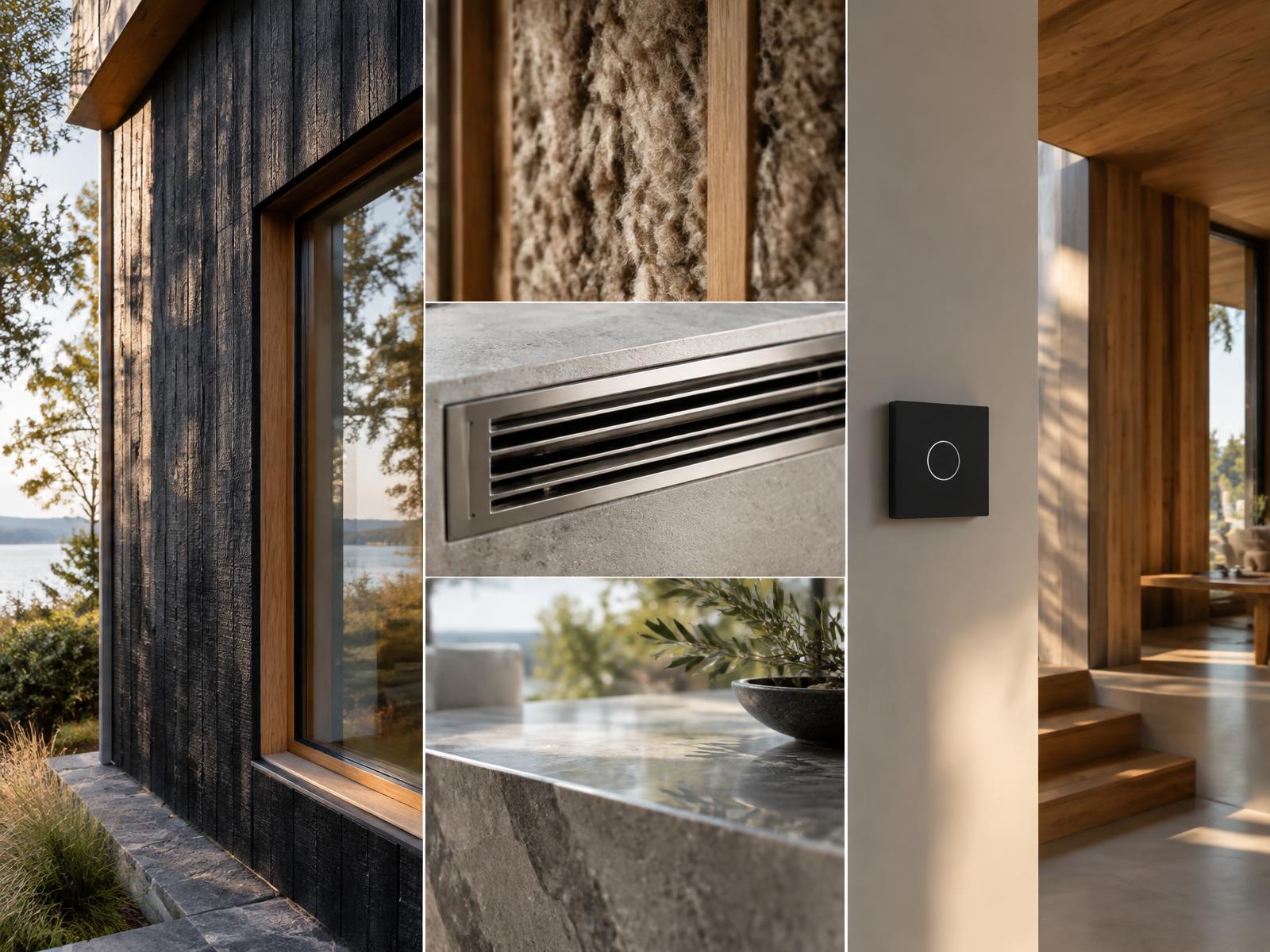
Some things are genuinely easier to understand in person. The weight of a door. The depth of a window frame. How a surface feels, how a colour changes in daylight, how quiet a room is. The difference between a sample in your hand and a swatch on a screen.
And some conversations are better face to face. Standing in front of a wall section with a specialist and asking, "So how would that work in our house?" often achieves more than weeks of emails.
That is why Home is a physical place, not only a website.
What Home brings together
At Masson Mills in Derbyshire, Home brings together:
- products from manufacturers and specialists, many of which you can see and touch
- people who design, make and install them
- architects who understand how the pieces fit into a whole building
- expertise in building performance, including Passivhaus
- education through talks, CPD sessions and knowledge like this
- events that bring homeowners, professionals and industry together.
The idea is not to tell anyone what to choose. It is to make choosing easier — by putting the options, the people and the knowledge in the same place, so the connections become visible.
Why here
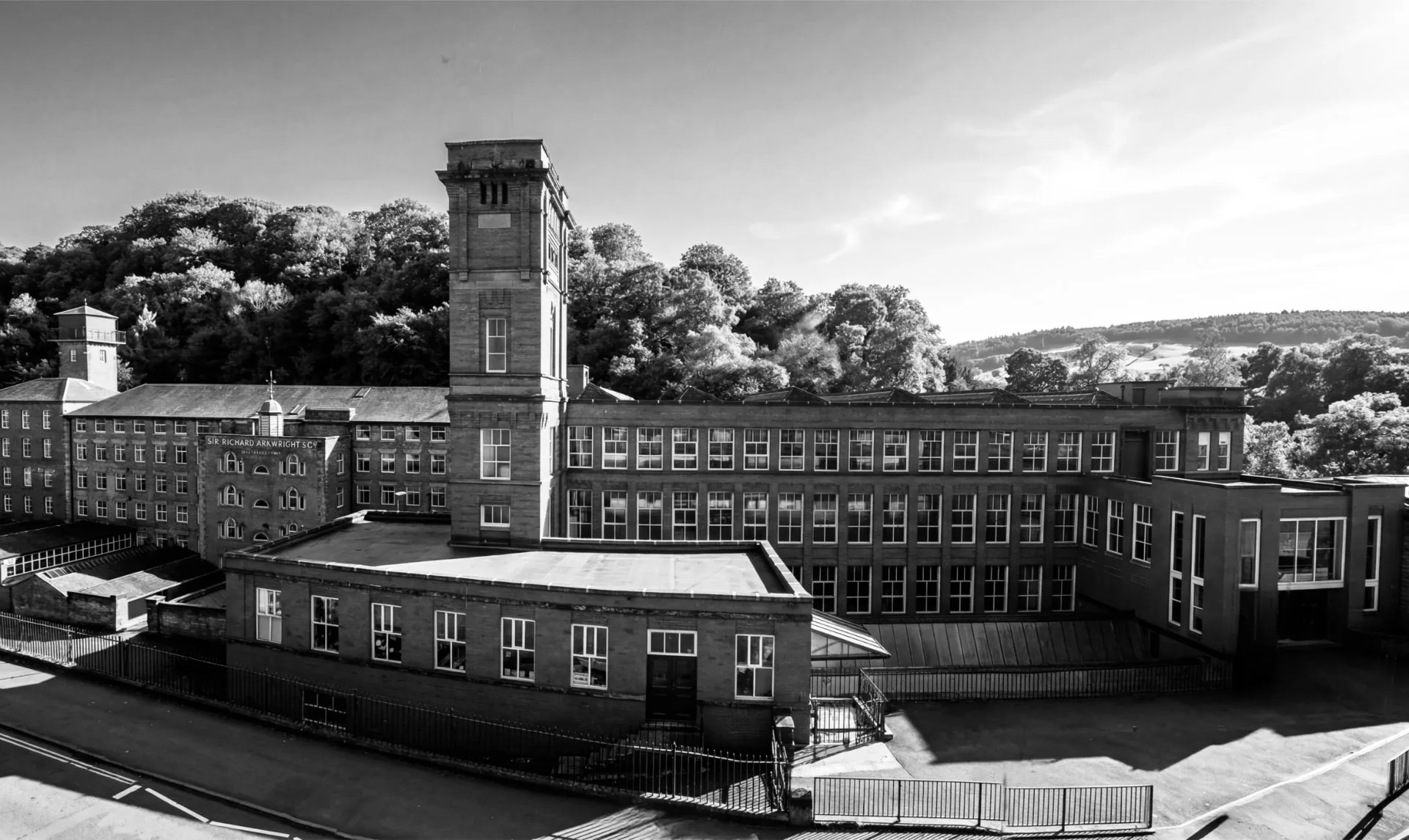
Masson Mills is a historic mill building on the River Derwent, within a landscape shaped by one of the earliest chapters of industrial history. There is something fitting about bringing together the people and ideas shaping how we build homes in a building that has long been about making things.
It is also simply a good place to spend a day: to walk through, look closely, take your time and ask questions.
What we hope Home can be
We hope Home becomes the place people come to before they commit — when they are forming their brief, meeting architects, weighing up construction systems, trying to understand heating and ventilation, or simply looking for somewhere to see what better homes can be.
We also hope it becomes a place for the industry itself: where architects bring clients, where manufacturers meet the people who specify and use their products, and where knowledge is shared rather than hoarded.
We are not claiming to have solved the complexity of building a home. That complexity is real, and it deserves respect. But it becomes far more manageable when you can see it in one place, and talk to people who understand it.
An invitation
If you are somewhere in the middle of your own hundred browser tabs, we would like to offer an alternative.
Come to Home. Walk around. Touch things. Ask the questions that have been bothering you. Meet people who can help. Leave with a clearer sense of how your project fits together.
You can research forever. Or you can come and experience it.
Last updated 28 September 2026
Key takeaways
What to remember.
- 01The information needed to build a better home exists, but it is scattered.
- 02The hard part is understanding how products, systems and decisions fit together.
- 03Seeing and touching things, and talking to people, makes complex decisions clearer.
- 04Home brings products, people, architects, expertise, education and events into one physical place.
Next step
Experience the ideas in person.
Explore products, systems and expertise together at Masson Mills.